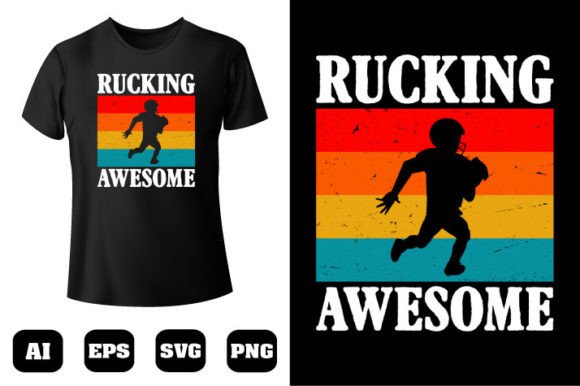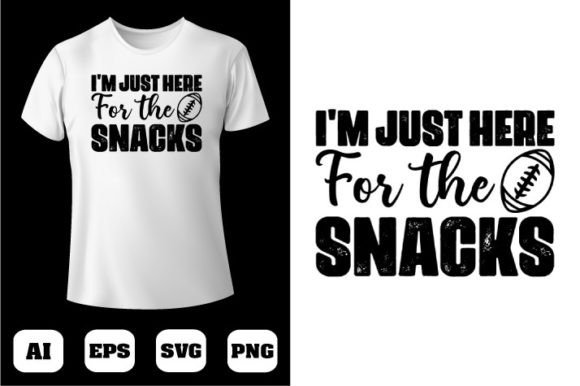
Reviewing American Football T-shirt Design 89 for Stitching
As a designer who spends half my life digitizing and the other half staring at hoop marks on fabric, I have learned to look past the glossy preview images. When I first opened American Football T-shirt Design 89, I was not just looking for a pretty graphic. I was looking for stitchability. I wanted to know if this vector asset could survive the transition from a flat screen to the textured reality of embroidered cotton or fleece. The product description highlights that this is a high-quality, 300 dpi Adobe Illustrator CC file with 100 changeable colors and resizable vector shapes. For an embroidery professional, these technical specs are the starting line, not the finish line.
First Impressions and Visual Personality
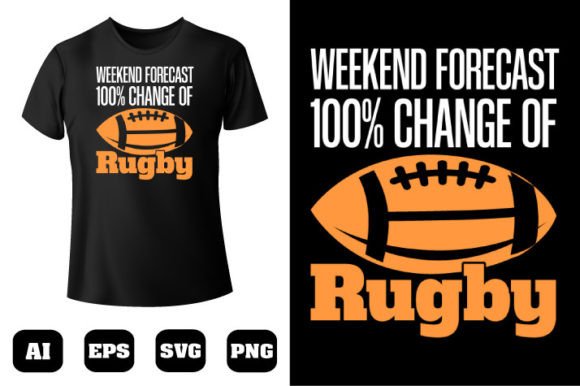
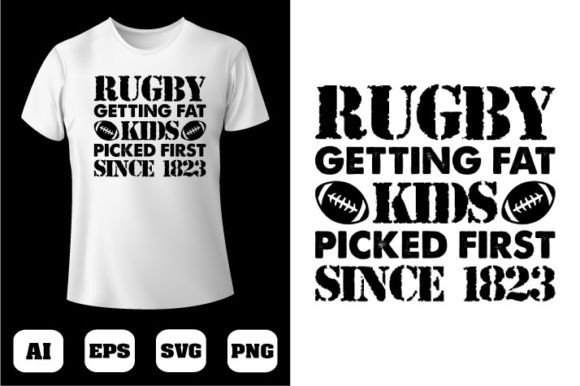
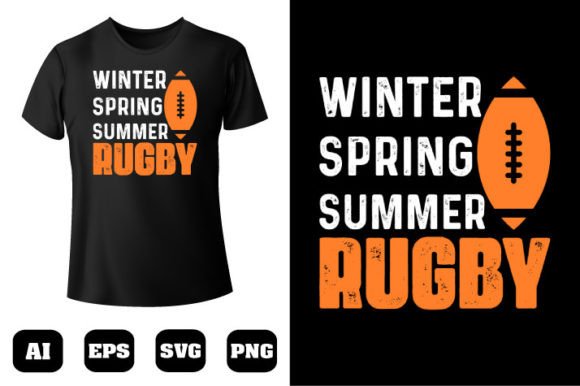
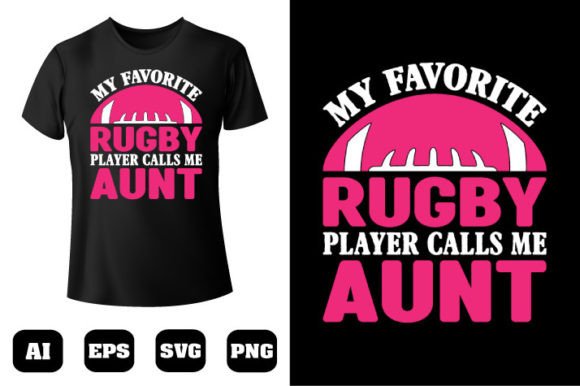
The immediate mood of American Football T-shirt Design 89 is energetic and sporty, fitting squarely into the athletic aesthetic without feeling cluttered. The layout suggests a bold statement piece rather than a subtle accent. Because the design features 100 vector shapes that are re-sizable, the potential for adaptation is significant. However, scalability in vector graphics does not automatically translate to scalability in thread. My first observation was regarding the density of the elements. In a machine embroidery design, tight clusters of shapes can lead to puckering if not managed correctly during the digitizing phase.
The visual personality here is clean and modern. It avoids the overly distressed or grunge looks that often complicate stitching on textured fabrics. This clarity is crucial for maintaining the integrity of the image when using satin stitch borders or fill stitch backgrounds. The fact that it is described as "ready to print" and high resolution means the source material is solid, but the embroidery artist must still interpret how those 100 color-changeable elements translate to thread paths.
Real-World Application: The Custom Sweatshirt Test
To truly evaluate this asset, I imagined a real-life scenario involving a local youth sports league. The client wanted custom sweatshirt embroidery for their coaching staff. This is where American Football T-shirt Design 89 shines. A sweatshirt provides a stable, thick canvas that can handle moderate stitch density without showing the backing material.
I visualized placing the design on the left chest of a heavyweight fleece hoodie. The bold lines of the football theme would stand out sharply against the dark navy fabric. Because the design allows for 100 color changes, I could easily match the team’s specific branding colors. This level of customization is vital for custom apparel businesses. If I were selling this as a handmade product on Etsy, the ability to tweak the colors quickly would allow me to offer personalized options without redrawing the entire artwork. The result would be a professional-looking finished product that builds customer trust through brand consistency.
Versatility Across Product Lines
Beyond sweatshirts, this design has legs. Consider a sturdy canvas tote bag design. The geometric nature of the vector shapes would translate well into a durable embroidered patch style application. For baby embroidery, such as a onesie or a burp cloth, caution is required. While the design is resizable, shrinking it too much might cause the smaller details to merge into a blob of thread. In such cases, simplifying the color palette and reducing the stitch density would be necessary to keep the fabric soft and comfortable for sensitive skin.
For holiday embroidery gifts, such as a festive apron for a football-loving dad, the design adds a playful yet masculine touch. It works well as a central focal point. However, for items like caps or curved surfaces, the rigid structure of the original vector might need adjustment. Curved hats require designs that flow with the contour, so I would recommend testing a smaller version on a scrap piece of curved foam-backed fabric before committing to a full production run.
Technical Considerations for Embroiderers
While American Football T-shirt Design 89 is provided as a high-quality graphic, it is essential to remember that it is not an embroidery file out of the box. It is a vector graphic. This distinction is critical for Etsy sellers and craft business owners. You must digitize this design or convert it using specialized software before it can be stitched.
- Stabilizer Selection: Given the potential for dense areas in a multi-color design, a cut-away stabilizer is recommended for stretchy fabrics like jersey t-shirts, while tear-away may suffice for woven tote bags.
- Thread Contrast: With 100 color options, ensure there is enough contrast between adjacent shapes. Low contrast can make the design look muddy from a distance.
- Hoop Size: Check your machine’s maximum hoop size. If you plan to use the design at its full scale, ensure it fits within your largest hoop without requiring re-hooping, which can lead to alignment issues.
- Fabric Texture: On highly textured fabrics like terry cloth towels, fine details may get lost. This design is better suited for smooth or moderately textured materials.
Navigating Limitations and Best Practices
There are scenarios where this design requires careful handling. Thin fabrics, such as silk or lightweight rayon, may pucker under the weight of a large, multi-colored design. In these cases, consider using the design as an applique design base, where fabric pieces are stitched down rather than filled entirely with thread. This reduces bulk and preserves the drape of the garment.
Additionally, always test the design on scrap fabric first. What looks perfect in a printable mockup or digital preview may behave differently under the needle. Check for thread breaks in tight corners and ensure that the running stitch outlines are secure. For commercial embroidery projects, consistency is key. Once you have dialed in the tension and stabilizer for one item, document those settings to ensure every subsequent small shop product matches the quality of the first.
Final Verdict for Creative Entrepreneurs
American Football T-shirt Design 89 is a robust asset for designers who understand the bridge between digital graphics and physical stitching. It offers the flexibility needed for personalized gift creation and boutique branding. Its strength lies in its clean vector structure and color versatility, which allows for easy adaptation across various design assets.
For the digital embroidery file creator, this graphic serves as an excellent foundation for creating niche-specific stitch files. For the handmade seller, it provides a professional look that elevates simple garments into coveted items. Just remember to respect the limitations of thread and fabric. By combining this high-quality graphic with thoughtful digitizing and proper hooping techniques, you can create stunning embroidery project outcomes that delight customers and stand up to repeated washing. Always confirm licensing terms before selling finished items, ensuring your craft business remains compliant and professional.