Review: American Football T-shirt Design 70 for Embroidery
As a designer who spends half my life staring at stitch previews and the other half troubleshooting thread breaks, I approach every new asset with a healthy dose of skepticism. We have all been there: you download a digital embroidery file that looks crisp on the screen, only to watch it turn into a tangled mess of bird nests on the hoop. That is why when I pulled up American Football T-shirt Design 70, I did not just look at the aesthetics. I looked at the structure. I looked at the potential for real-world application in a busy craft business.
This is not just another generic sports clipart. It is a vector-based graphic marketed as ready-to-print and fully editable, which changes how we must approach it for stitching. Let us break down how this design performs when moved from the digital canvas to the fabric.
First Impressions and Visual Personality
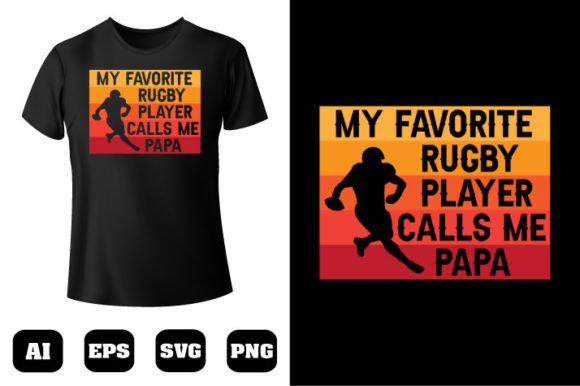
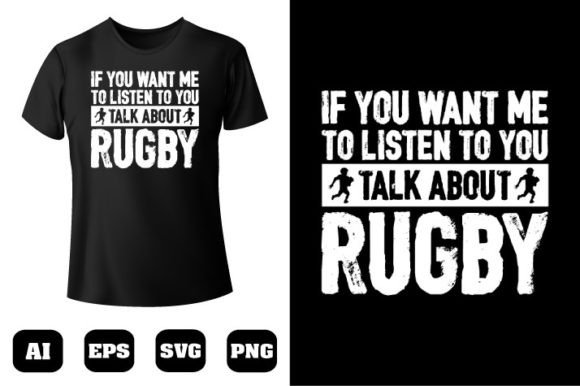
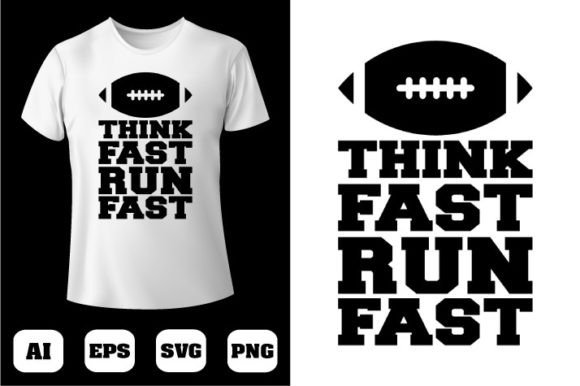
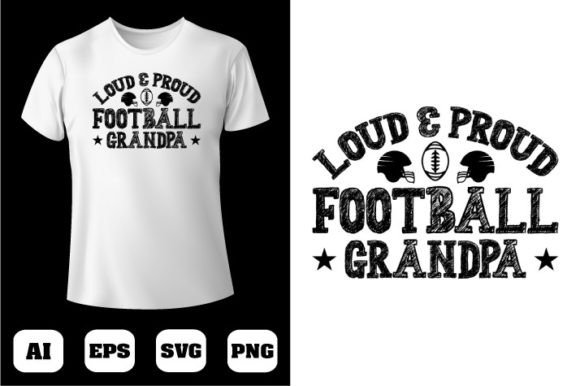
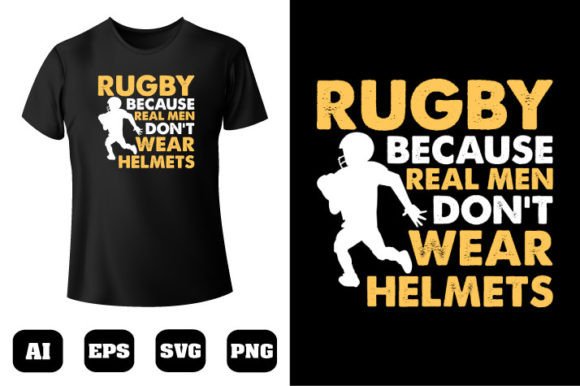
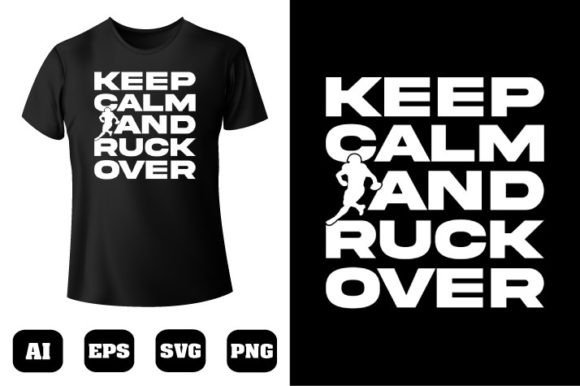
The first thing that strikes you about American Football T-shirt Design 70 is its bold, athletic energy. It captures the rugged spirit of American football or rugby without relying on overly complex shading that often fails in thread. The layout is balanced, featuring strong lines and a clear focal point. For an embroidery project, clarity is king. If a customer cannot identify the subject from three feet away, the design has failed.
The mood here is energetic and competitive, yet polished. It does not feel like a rough draft. The shapes are distinct, which suggests that converting this from a vector graphic into a machine embroidery design will be straightforward. The lack of excessive micro-details means you are less likely to encounter registration issues where colors bleed into one another. This visual personality fits naturally into custom apparel lines, particularly for youth leagues, family reunion shirts, or spirited game-day wear.
Real-World Application: The Sweatshirt Test
To truly evaluate a design, you have to imagine it on a specific product. I recently worked on a batch of custom fleece sweatshirts for a local junior rugby club. They wanted something that looked professional but could withstand weekly washing and rough play. American Football T-shirt Design 70 came to mind immediately.
Because the design features 100 color-changeable elements and resizable vector shapes, I was able to adapt the color palette to match the team’s navy and gold uniforms perfectly. On a thick fleece fabric, simple designs can sometimes get lost if they are too small, or become stiff if they are too dense. This design strikes a good balance. By using a combination of satin stitch for the borders and fill stitch for the larger internal areas, the design sits flat against the textured fabric. It does not pucker the material, which is a common complaint with cheaper embroidery files.
For Etsy sellers and small shop owners, this versatility is crucial. You are not locked into one look. You can scale it down for a baby onesie or scale it up for a large tote bag. The ability to edit colors easily means you can create variations for different teams or holidays without starting from scratch. This saves hours of digitizing time, allowing you to focus on marketing your handmade product rather than fighting with software.
Navigating Technical Challenges
While the design is robust, it is not without its considerations. Since this is provided as a high-quality vector graphic in Adobe Illustrator CC format, it is technically a print-ready asset. To use it for embroidery, you must digitize it or convert it properly. Do not assume it comes pre-digitized with optimal stitch paths unless explicitly stated in the full product documentation.
When working with curved surfaces like caps or hats, be mindful of the design’s width. A wide design can distort on the front panel of a baseball cap. I recommend testing a smaller version first. Also, pay attention to stitch density. If you are stitching on thin fabric, such as a performance t-shirt or a lightweight kitchen towel, you must use a proper stabilizer. A cut-away stabilizer is often best for garments that will be washed frequently, while a tear-away might suffice for decorative items like pillow covers that see less abuse.
Another critical factor is thread color contrast. Because the design relies on shape definition, using similar shades for adjacent elements can make the details disappear. Always test your thread choices on scrap fabric before committing to the final finished product. Check how the design looks in black and white mockups to ensure the silhouette remains strong even without color differentiation.
Commercial Viability and Brand Consistency
For commercial embroidery projects, consistency builds trust. When a customer orders a personalized gift, they expect the quality to match the preview. American Football T-shirt Design 70 offers a level of professionalism that enhances brand perception. It looks intentional, not slapped on. This matters for boutique branding. Whether you are creating embroidered patches for a local gym or custom aprons for a sports-themed cafe, the clean lines of this graphic elevate the perceived value of the item.
However, always verify licensing terms. Just because a file is editable does not mean it is free for unlimited commercial resale as a digital asset. Most licenses allow you to sell the physical embroidered patch or garment, but restrict reselling the digital file itself. Confirm this before listing items on your online store. Transparency with your customers about the handmade nature of your work builds long-term loyalty.
Practical Designer Notes
Before you load this into your machine, keep these practical tips in mind:
- Test on Scrap Fabric: Never run a new design on your final garment. Use a similar weight and texture of scrap fabric to check for puckering or thread breaks.
- Check Hoop Size: Ensure your embroidery hoop can accommodate the scaled size of the design. Crowding the edges can lead to misalignment.
- Inspect Small Details: If you scale the design down significantly, some finer lines may become too thin for the needle to stitch cleanly. Simplify or remove these elements if necessary.
- Thread Quality Matters: Use high-quality polyester or rayon thread to prevent shredding, especially with fill stitches that require many penetrations.
- Mockup Variations: Create printable mockups showing the design on dark and light backgrounds. This helps customers visualize the final look and reduces return requests.
In conclusion, American Football T-shirt Design 70 is a versatile asset for any designer’s toolkit. It bridges the gap between graphic design and textile art effectively. With careful attention to digitizing settings, stabilizer choice, and thread selection, it can produce stunning results for everything from holiday gifts to professional team uniforms. It is a solid choice for makers who want reliable, high-impact visuals without unnecessary complexity.